
Introduction
Planning meals around your pantry staples is a smart way to save time, reduce food waste, and manage your grocery budget effectively. Whether you’re looking to whip up quick dinners or prepare for busy weeks ahead, knowing how to utilize what you already have can make cooking less stressful and more enjoyable.
In this post, we’ll explore practical steps to help you organize your pantry, identify versatile ingredients, and plan meals that are both delicious and convenient.
Step 1: Take Stock of Your Pantry
Before you start planning, it’s essential to know exactly what’s in your pantry.
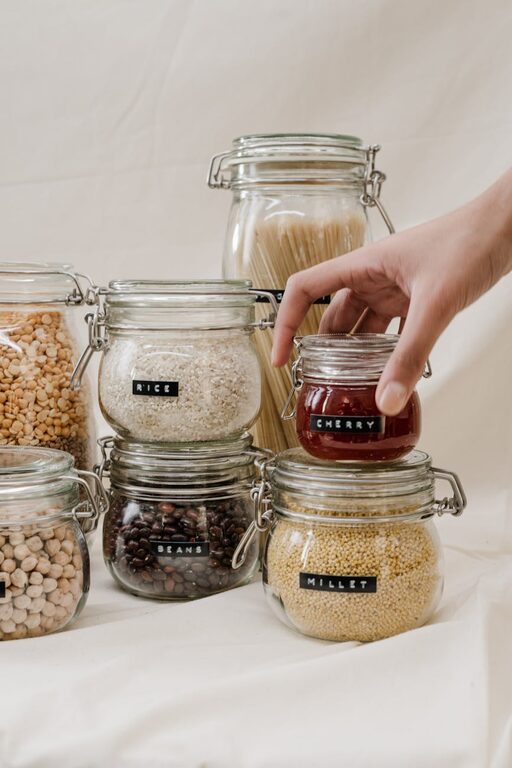
– Empty your shelves: Pull everything out and group similar items together.
– Check expiration dates: Remove anything expired or stale.
– Make an inventory: Create a list of staples such as canned goods, grains, pasta, spices, and oils.
Having a clear inventory helps you see what you have and spot any gaps you might want to fill during your next grocery trip.
Step 2: Identify Versatile Staples
Some pantry items can be the foundation for a variety of meals. Common versatile staples include:
– Grains: Rice, quinoa, pasta, oats
– Canned goods: Beans, tomatoes, tuna, coconut milk
– Baking essentials: Flour, sugar, baking powder
– Spices and herbs: Salt, pepper, garlic powder, dried basil, cumin
– Oils and vinegars: Olive oil, vegetable oil, apple cider vinegar
Keep in mind that fresh ingredients like onions, garlic, and potatoes often last a long time and complement pantry items well.
Step 3: Plan Balanced Meals
Aim to build meals that include:
– Protein: beans, lentils, canned tuna, eggs (if available)
– Carbohydrates: rice, pasta, bread, potatoes
– Vegetables: canned or frozen vegetables, or fresh produce from your fridge
– Fats: oils, nuts, seeds
Balancing these components ensures your meals are nourishing and satisfying.
Step 4: Create Meal Ideas From Pantry Ingredients
Here are some simple meal ideas using typical pantry staples:
– Bean Chili: Combine canned beans, diced tomatoes, spices (chili powder, cumin), and onions.
– Pasta Primavera: Cook pasta and toss with olive oil, canned or frozen vegetables, garlic, and herbs.
– Tuna Salad: Mix canned tuna with olive oil, vinegar, canned beans, and chopped onions.
– Rice and Lentil Bowl: Cook rice and lentils, season with spices, and add sautéed canned vegetables.
– Oatmeal: Use oats with dried fruit, nuts, and a touch of cinnamon for breakfast or snack.
Feel free to adjust ingredients according to what you have on hand.
Step 5: Use Meal Planning Tools
To keep your meal planning organized:
– Create a weekly menu: Write down meals you intend to prepare using pantry items.
– Make a shopping list: Based on your pantry inventory and planned meals.
– Use apps or planners: Tools like meal planning apps or simple spreadsheets can help track ingredients and recipes.
Having a plan reduces last-minute decisions and food waste.
Step 6: Tips for Maintaining Your Pantry
– Organize by category: Keep like-items together to easily locate ingredients.
– Rotate stock: Place older items in front to use them first.
– Regularly update your inventory: Reassess your pantry monthly.
– Stock basics: Keep essential items replenished for quick meal prep.
Conclusion
Planning meals using pantry staples unlocks creativity in the kitchen and helps you make the most of what you already have. With a clear inventory, a good mix of versatile ingredients, and some straightforward meal ideas, you can enjoy tasty, wholesome meals without frequent grocery runs.
Start by organizing your pantry today and see how meal planning becomes simpler and more efficient!