
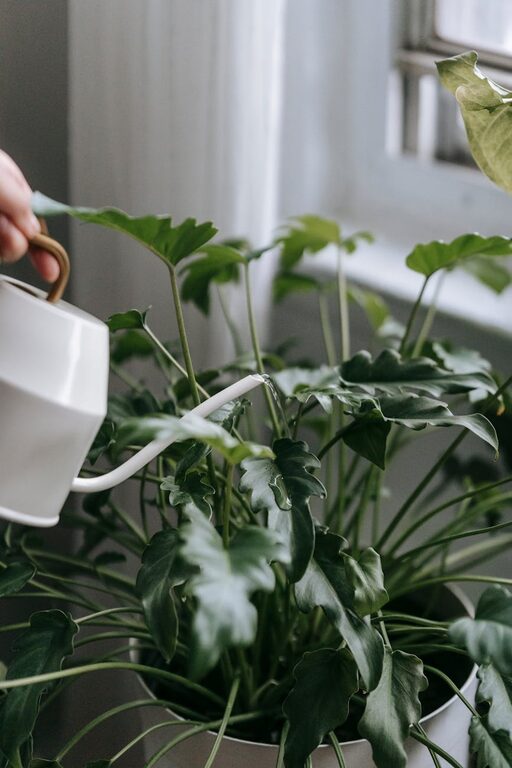
Bringing houseplants into your home is a wonderful way to add a touch of nature, improve air quality, and create a calming environment. However, keeping these green companions healthy can sometimes feel like a challenge, especially if you’re new to indoor gardening. The good news is that with a few straightforward tips, you can ensure your houseplants not only survive but thrive.
Understanding Your Houseplant’s Needs
Different plants have different requirements, so knowing what your specific houseplants need in terms of light, water, and soil is the foundation of good care.
Light Requirements
Houseplants vary in their light preferences:
– Low light plants: Examples include snake plants and pothos, which can tolerate shaded corners.
– Medium light plants: Such as peace lilies and spider plants, which do well near windows with filtered sunlight.
– Bright light plants: Succulents and cacti thrive with several hours of direct sunlight.
Make sure to position your plants accordingly and adjust their placement as needed throughout the year.
Watering Wisely
Water is essential, but overwatering is a common mistake. Here’s how to get it right:
– Check the soil moisture before watering—stick your finger about an inch into the soil. If it feels dry, it’s time to water.
– Use room temperature water to avoid shocking the roots.
– Water thoroughly, so water reaches the root zone, and ensure pots have proper drainage to prevent waterlogging.
– Adjust watering frequency based on the season; plants often need less water in winter.
Choosing the Right Soil and Pot
Good soil and pots play a crucial role in plant health.
– Use potting mix designed for houseplants rather than garden soil, as it offers better drainage and aeration.
– Select pots with drainage holes to prevent excess water from sitting at the bottom.
– Consider repotting when plants outgrow their containers, typically every 1-2 years.
Maintaining Optimal Humidity and Temperature
Many houseplants prefer a stable environment.
– Most indoor plants flourish in temperatures between 65°F and 75°F (18°C – 24°C).
– Avoid placing plants near drafts, heaters, or air conditioners.
– Increase humidity for tropical plants by misting leaves, grouping plants together, or using a humidifier.
Feeding Your Plants
Houseplants benefit from occasional feeding.
– Use balanced liquid fertilizer or slow-release pellets during the growing season (spring and summer).
– Reduce or stop feeding in fall and winter when many plants enter a dormant phase.
– Follow the instructions on fertilizers carefully to avoid nutrient burn.
Preventing and Managing Common Problems
Even with good care, plants can face issues like pests or diseases.
Pests to Watch For
– Aphids, spider mites, and mealybugs are common. Regularly inspect leaves, especially under them.
– Use gentle methods like wiping leaves with a damp cloth or applying insecticidal soap if needed.
Identifying Diseases
– Look for yellowing leaves, spots, or mold, which may indicate fungal or bacterial infections.
– Remove affected leaves and ensure good air circulation around plants.
Regular Maintenance and Care
Consistent attention keeps plants happy.
– Dust leaves gently to improve photosynthesis.
– Trim dead or yellow leaves to encourage new growth.
– Rotate plants periodically to ensure even light exposure.
Final Thoughts
Caring for houseplants is a rewarding hobby that enhances your living space. By understanding each plant’s basic needs and maintaining a regular care routine, you can create a thriving indoor garden. Remember, patience and observation are key—plants will often show you what they need in subtle ways. Enjoy the process and watch your green friends flourish!
—
If you’re ready to start or expand your collection, these tips will guide you to successful, joyful plant parenting. Happy gardening!